Rushing to Add AI Is Wrecking Your Customer Experience. Here’s How to Get It Right.
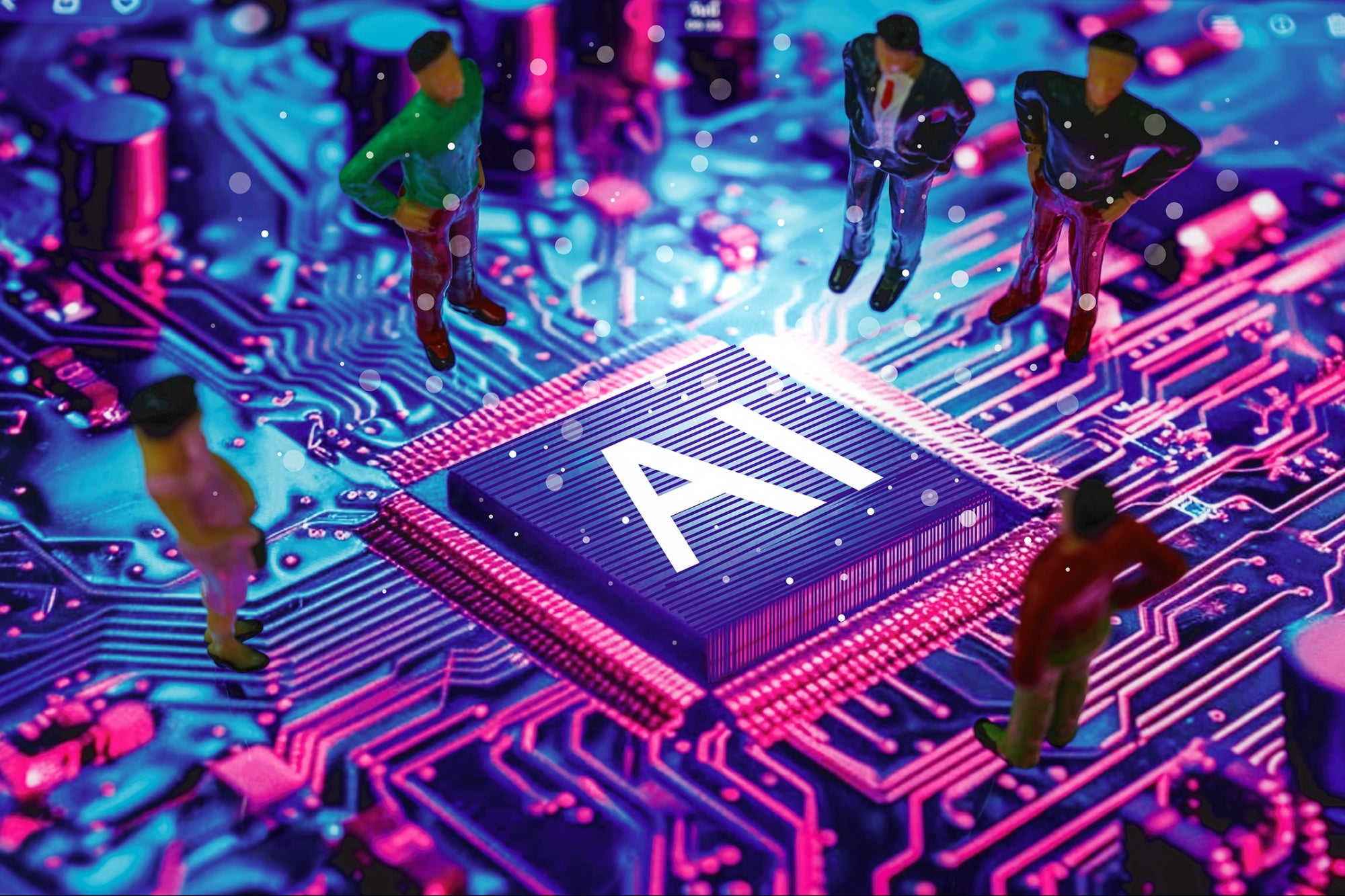
Every new AI tool creates another touchpoint with your customer. If those tools don't talk to each other, neither does your business.
The rush to integrate AI into business operations is understandable, given its potential to boost efficiency and drive growth, but it's crucial to consider the impact on customer experience. When AI tools are implemented in isolation, they can create a fragmented and disjointed experience for customers, leading to frustration and disloyalty. This is a critical issue for businesses, as a poor customer experience can have long-term consequences for reputation and revenue.
The key challenge is that many AI tools are designed to operate independently, without seamless integration with other systems or tools. This can result in a lack of cohesion and consistency in customer interactions, making it difficult for businesses to provide a unified and personalized experience. To get it right, businesses need to prioritize integration and ensure that their AI tools are talking to each other, sharing data and insights to create a holistic view of the customer. This requires a strategic approach to AI implementation, with a focus on customer-centric design and seamless integration.
As businesses continue to invest in AI, it's essential to watch how they balance the need for innovation with the need for integration and customer-centricity. The companies that get it right will be those that prioritize a unified customer experience, leveraging AI to enhance and personalize interactions, rather than creating new touchpoints that don't talk to each other. To achieve this, businesses should focus on developing a robust AI strategy that prioritizes integration, data sharing, and customer-centric design, and monitor the impact on customer experience and loyalty.
Originally reported by entrepreneur.com. BusinessNews adds analysis for business & startups readers.