The AI Gold Rush Is Driving an Energy Crisis. Here’s What Every Business Needs to Know.
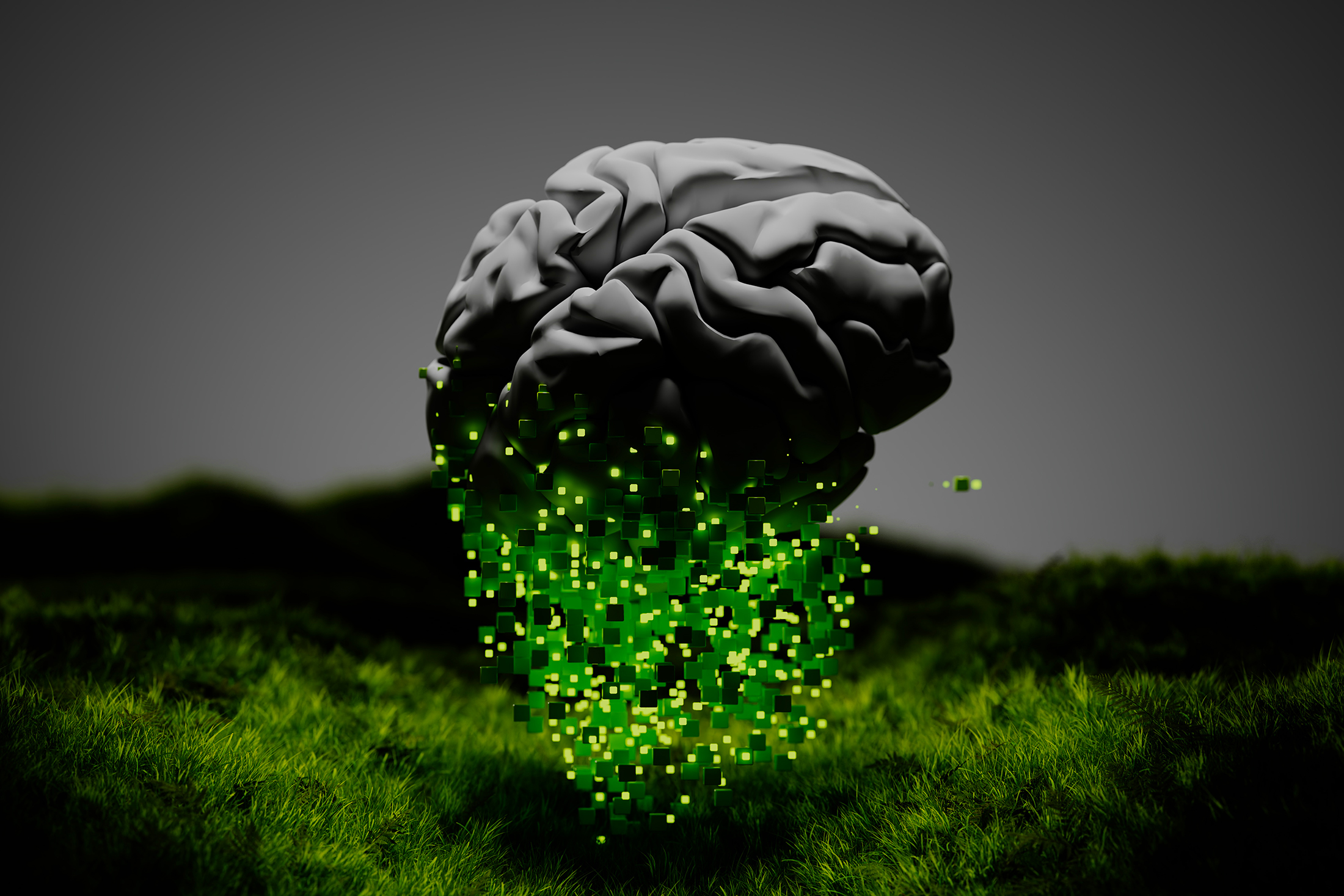
AI is driving unprecedented demand for industrial-scale electricity, water for cooling and physical real estate at a pace the global grid was never designed to handle.
The AI gold rush is here, and it's not just about the tech giants - every business needs to understand the implications of this unprecedented demand for resources. The rapid growth of AI infrastructure is putting a massive strain on the global grid, with data centers requiring industrial-scale electricity, water for cooling, and physical real estate. This surge in demand is happening at a pace that the global grid was never designed to handle, raising concerns about the sustainability and reliability of our energy systems.
As businesses, it's essential to recognize that AI is no longer just a competitive advantage, but a necessity. However, this comes with a cost. The energy crisis triggered by AI's growth will have far-reaching consequences, from increased costs to potential disruptions in service. Moreover, the environmental impact of this energy-intensive industry cannot be ignored. Companies will need to adapt and innovate to mitigate these risks, whether through investing in renewable energy sources, improving data center efficiency, or exploring alternative cooling methods.
So, what to watch next? Keep an eye on the development of sustainable AI infrastructure, such as data centers powered by renewable energy or designed with energy efficiency in mind. Also, monitor the emergence of new technologies that can help alleviate the strain on the grid, like advanced cooling systems or more efficient computing architectures. As the AI gold rush continues, businesses that prioritize sustainability and energy efficiency will be better positioned to navigate this new landscape and reap the benefits of AI without getting left behind.
Originally reported by entrepreneur.com. BusinessNews adds analysis for business & startups readers.