Think Your Smartest Customers Can Spot Fake Content? Our Data Says the Opposite. Here’s What It Means for Your Business.
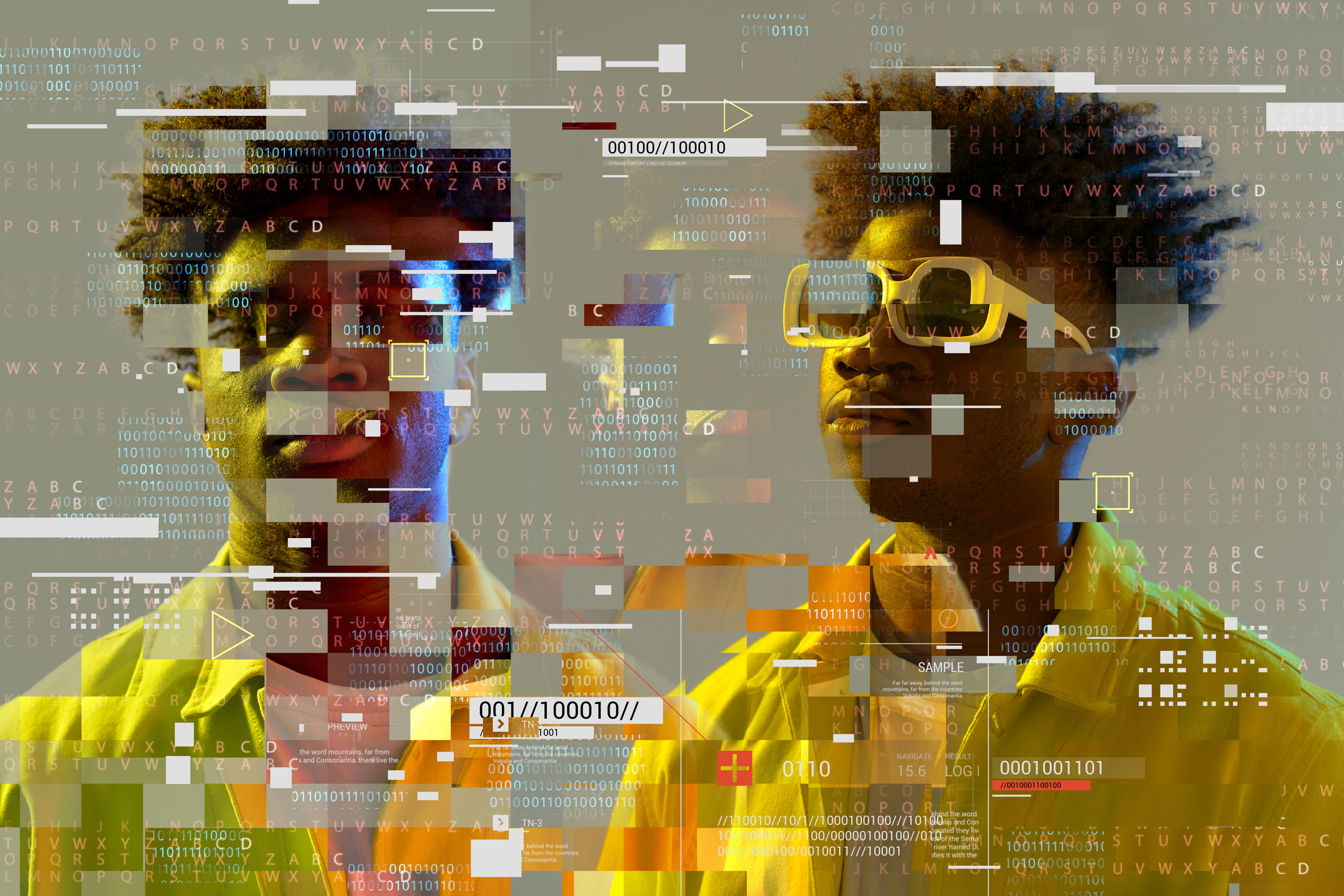
We ran a 315-person study testing whether people could tell AI edited video from human edited video. The group we expected to be hardest to fool turned out to be the easiest.
The findings of this study are quite striking, and they have significant implications for businesses that rely on video content to engage with their customers. The fact that even the most discerning individuals, presumably those who are tech-savvy and familiar with AI technology, were unable to distinguish between AI-edited and human-edited videos raises concerns about the potential for fake content to spread.
This study highlights the growing need for businesses to prioritize authenticity and transparency in their content creation. As AI technology continues to advance, it's becoming increasingly easy to create convincing but fake content. This can have serious consequences, from damaging a company's reputation to eroding trust with customers. Businesses need to be aware of these risks and take steps to mitigate them, such as implementing robust fact-checking processes and clearly labeling AI-generated content.
So, what should businesses watch out for next? The answer lies in the development of more sophisticated AI detection tools and regulations around AI-generated content. As the technology continues to evolve, it's likely that we'll see new solutions emerge that can help identify fake content. In the meantime, businesses should be cautious when creating and sharing video content, and consider investing in AI literacy training for their teams to help them navigate this new landscape.
Originally reported by entrepreneur.com. BusinessNews adds analysis for business & startups readers.